The journey of gambling tracing its historical evolution through the ages
The Origins of Gambling
The history of gambling can be traced back to ancient civilizations, where it was often intertwined with religious practices and social activities. The earliest evidence of gambling dates back to around 3000 BC in China, where rudimentary games of chance were played with dice. These dice were made from bone and were used in various games, indicating that the allure of chance has been a part of human culture for millennia. In these early societies, gambling served not just as entertainment but also as a means to make decisions and resolve conflicts. Modern platforms like Ggvegas echo this historical significance by offering engaging gaming experiences.

In addition to China, ancient Egypt also showcased early forms of gambling. Archaeological findings suggest that Egyptians engaged in games of chance, using various objects to play. These activities were often enjoyed during festivals, reflecting the communal aspect of gambling. Furthermore, the Romans adopted gambling as a form of entertainment, establishing laws governing it, which highlighted its growing significance in society. This early acceptance paved the way for the evolution of gambling through different cultures and epochs.
As civilizations progressed, so did the methods and mediums of gambling. By the Middle Ages, card games became prevalent in Europe, evolving from earlier Chinese games. The introduction of playing cards transformed gambling into a more structured and strategic activity. This period marked a significant transition, as gambling began to shift from purely chance-based games to those incorporating elements of skill and strategy. The foundations laid during these times still resonate in modern gambling practices.
The Rise of Formal Gambling Establishments
The 17th and 18th centuries witnessed the formalization of gambling through the establishment of casinos and gaming houses. The first official casino, the Casino di Venezia, opened its doors in Italy in 1638, marking a turning point in gambling history. This development symbolized a shift from informal street gambling to more regulated and luxurious environments. Patrons flocked to these venues, seeking both entertainment and the thrill of chance, further legitimizing gambling in society.
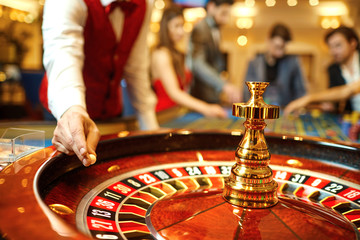
During this period, gambling also began to intersect with the rise of the bourgeoisie, as more people gained disposable income. The introduction of roulette in the 18th century added a new layer of excitement to gambling venues. The combination of social status and risk-taking behavior became a hallmark of gambling culture. As more casinos emerged across Europe, the activities within these establishments evolved, promoting not only games of chance but also social gatherings.
The American landscape also saw the emergence of gambling establishments during the 19th century, particularly with the Gold Rush, when miners and prospectors sought fortune. The establishment of saloons and gaming houses across the West became commonplace. These venues often featured poker and other card games, creating a unique blend of culture, risk, and camaraderie that defined American gambling during this era. This marked a pivotal transition in gambling, as it grew to be more than just a pastime, becoming a cultural phenomenon.
The Impact of Technology and Regulation
The advent of the 20th century brought technological advancements that revolutionized gambling. The introduction of slot machines in the late 1800s transformed the landscape, providing an accessible and exciting form of gambling for the masses. These machines, known for their simplicity and potential for large payouts, quickly gained popularity in bars and casinos alike. The ease of playing slots led to a surge in gambling participation, making it a staple in the industry.
As gambling grew in popularity, regulatory measures began to surface. In the United States, the Great Depression led to a wave of gambling legalization as a means of economic recovery. States like Nevada embraced the opportunity, establishing Las Vegas as the gambling capital of the world. The regulatory frameworks allowed for the growth of more organized gambling, creating an environment where both players and operators could thrive within legal boundaries.
Moreover, the late 20th century introduced online gambling, adding an entirely new dimension to the industry. The first online casino launched in 1994, paving the way for a digital revolution in gambling. This innovation allowed players to gamble from the comfort of their homes, breaking geographical barriers. As internet technology advanced, so did the variety of games offered online, making gambling more accessible than ever before. This shift significantly altered the dynamics of the gambling industry, leading to increased participation and changing regulations worldwide.
The Evolution of Gambling Culture
Gambling culture has evolved significantly over the centuries, shaping societal attitudes and perceptions towards risk and reward. Initially viewed with skepticism, gambling gradually became more mainstream, often depicted in literature, films, and popular media. This shift in cultural perception contributed to the normalization of gambling, allowing it to be embraced as a form of entertainment rather than a vice. Movies and television shows frequently glamorize gambling, drawing in new audiences and perpetuating a cycle of fascination.
Furthermore, gambling has increasingly become associated with sports, leading to the rise of sports betting. As laws around sports betting relaxed in many jurisdictions, the integration of gambling into sporting events became a commonplace practice. This evolution reflects broader societal changes where gambling is perceived as part of the entertainment experience, enhancing the enjoyment of sports for fans. The relationship between sports and gambling has solidified, making it an integral aspect of contemporary culture.
Additionally, the advent of responsible gambling initiatives marks a significant aspect of contemporary gambling culture. As awareness about gambling addiction and its impacts grows, operators and regulators are implementing measures to promote responsible gaming. This includes setting limits, providing information on responsible gambling, and ensuring that help is readily available for those in need. This cultural shift highlights a growing recognition of the need for balance and safety within the gambling community.
Modern Gambling and Online Experiences
Today, the gambling landscape is more diverse and dynamic than ever before. With the rise of online casinos, players now have access to an array of options that were unimaginable just a few decades ago. Platforms like GGVegas Casino Canada offer a comprehensive online gaming experience, catering specifically to Canadian players. These platforms showcase thousands of games, including slots, table games, and live dealer options, allowing users to enjoy a premium gaming experience from their devices.
The convenience of online gambling has made it increasingly appealing. Players can explore various games, take advantage of bonuses, and engage in live dealer experiences without leaving their homes. The integration of advanced technology ensures a seamless and engaging experience, as features like mobile compatibility and secure payment methods enhance user satisfaction. This shift towards online gambling reflects broader trends in consumer behavior, where convenience and accessibility are paramount.
Furthermore, the commitment to security and responsible gaming practices in online gambling is essential for player confidence. Websites like GGVegas Casino prioritize secure transactions and support systems, ensuring that players feel safe while engaging in their favorite games. With 24/7 customer support and rapid withdrawal methods like Interac, online casinos are adapting to meet the demands of modern players, making gambling a responsible and enjoyable pastime.